
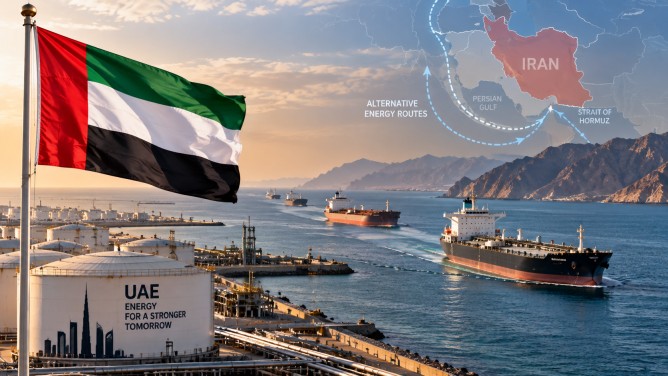
The United Arab Emirates is actively pursuing alternative routes for its energy exports and trade, aiming to reduce its reliance on the Strait of Hormuz amid tensions between the United States and Iran. Anwar Gargash, a presidential adviser for the UAE, emphasized that the nation’s economic activities and energy exports will not be allowed to become “held hostage” due to these conflicts.
In response to the ongoing geopolitical challenges, the UAE is enhancing its port capacities on the eastern coast and is in the process of developing pipelines, railways, and new trade corridors. These initiatives reflect the country’s strategic move towards ensuring uninterrupted energy exports and securing economic stability.
Gargash expressed the possibility of future improvements in relations with Iran but highlighted the long road ahead in rebuilding trust after recent attacks. He also called for increased coordination among Gulf Arab nations to bolster regional security and address shared threats effectively.
Echoing this sentiment, Qatar has also underscored the importance of self-reliance among Gulf nations. Majed al-Ansari, a spokesperson for Qatar’s Foreign Ministry, reiterated that while strategic ties with the United States remain crucial, they should not be the sole pillar of the region’s security framework.
The importance of the Strait of Hormuz cannot be overstated, as it is a critical passage for a substantial portion of the world’s energy supplies. Disruptions in this area have historically led to spikes in energy prices and heightened global economic concerns. Gargash urged that freedom of navigation must not be manipulated as a bargaining chip and advocated for reliable assurances to safeguard Gulf countries from potential future attacks.