
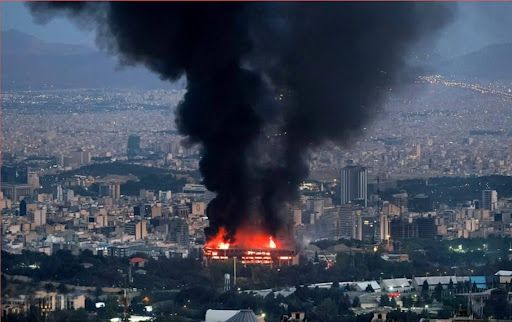
For the first time in modern history, the world’s most critical energy chokepoints were all under simultaneous attack. The Strait of Hormuz had been closed by Iran since February 28, blocking roughly 20 percent of global daily oil and gas. Kharg Island, Iran’s primary crude export hub, was being bombed by US warplanes for the second consecutive day. Fujairah in the UAE, one of the world’s most important ship-refuelling ports, had been struck by Iranian ballistic missiles. The simultaneous disruption of all three nodes in the global energy system represented an unprecedented threat to energy security.
President Trump said in public remarks on Saturday that Kharg Island had been effectively demolished by US airstrikes and called on allied nations to send warships to help reopen the Strait of Hormuz. He named China, France, Japan, South Korea, and the UK as countries he hoped would contribute naval vessels. Analysts described the appeal as the first public admission that the US might not be able to unilaterally reopen the waterway. Trump simultaneously threatened to destroy Iran’s remaining oil infrastructure if Tehran continued the blockade, a threat that sent fresh shockwaves through energy markets already stretched to breaking point.
Iran’s attack on Fujairah was the newest development in its strategy of using economic disruption as a weapon. Iranian commanders threatened to hit any Gulf energy or economic facility with American ties, effectively warning that no node in the region’s energy infrastructure was safe. Iran’s foreign minister called on Arab states to expel US forces, adding a diplomatic dimension to the military pressure. The UAE condemned the strikes as terrorism but maintained its commitment to restraint and diplomacy.
Israel conducted dozens of airstrikes inside Iran, killing at least 15 people in Isfahan. Iran fired rockets at Israel in return. US Defence Secretary Pete Hegseth claimed Iran’s leadership was “desperate and hiding” and that the new supreme leader had been wounded. Iranian officials confirmed the injury but called it minor. The International Crisis Group assessed the regime as intact and executing a deliberate long-term strategy. The USS Tripoli and 2,500 additional US marines were heading to the region, reinforcing American military options.
The human cost of the conflict added moral urgency to the economic alarm. More than 1,400 Iranians had been killed in sustained bombing. Thirteen Israelis and roughly 20 Gulf residents had died. Lebanon’s crisis continued, with 800 killed and 850,000 displaced from Israeli strikes on Hezbollah. Six US troops died in a military aircraft crash in Iraq. The US embassy in Baghdad was struck, and Americans in Iraq were ordered to leave. With every energy chokepoint under threat, the world was facing an economic emergency alongside a military one.