
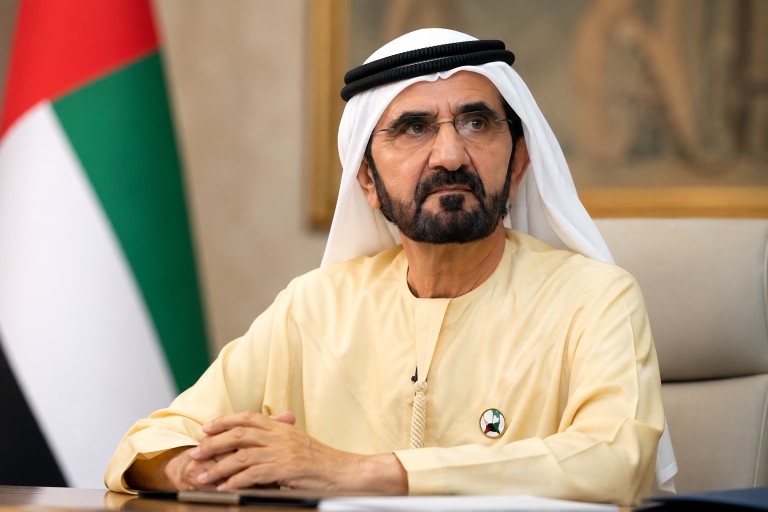
The United Arab Emirates is set to enhance its educational and governmental sectors with the integration of artificial intelligence, following the approval of a nationwide AI curriculum by the UAE Cabinet. This new educational program aims to equip students in all public and private schools with a comprehensive understanding of artificial intelligence, covering essential topics such as data, algorithms, applications, risks, and ethical considerations. In tandem, an ambitious initiative to train 22,000 teachers and educators in utilizing AI for teaching, assessment, lesson planning, and curriculum development has been launched, as emphasized by UAE Prime Minister and Dubai Ruler Sheikh Mohammed bin Rashid, who stressed the importance of continuous learning for teachers to prepare students for a rapidly transforming future.
In addition to educational advancements, the UAE Cabinet has endorsed an innovative AI advisory system to enhance policy-making and strategic planning for government ministers. This system, featuring 32 specialized AI assistants, will provide critical analyses of policy proposals, assess their potential impacts, study international practices, and offer recommendations aligned with the UAE’s national priorities. This move reflects the country’s commitment to leveraging technology in government operations to foster informed decision-making and effective governance.
The Cabinet’s recent session also marked a significant development in the realm of transportation, with the approval of a regulatory framework for autonomous vehicles. This framework is designed to establish clear procedures for the testing, inspection, registration, and licensing of self-driving vehicles throughout the UAE, supporting the nation’s goals for cleaner transportation solutions and reduced traffic congestion. By setting these regulations, the UAE aims to position itself at the forefront of innovative transportation technologies.
Further illustrating the country’s digital advancement, the UAE government has reported remarkable progress in its digital transformation efforts. Over the past year, hundreds of millions of digital transactions have been completed through government services, and numerous digital transformation projects have been successfully implemented, underscoring the nation’s rapid adaptation to digital solutions.
Alongside these technological strides, the Cabinet has also taken decisive steps in environmental conservation by approving a National Ecotourism Policy. Additionally, progress under the National Strategy to Combat Desertification 2022–2030 was reviewed, with ongoing initiatives focused on safeguarding ecosystems, rehabilitating land, and preserving native vegetation. These efforts demonstrate the UAE’s holistic approach to sustainable development, balancing technological progress with environmental stewardship.