
Protein plays a crucial role in maintaining various bodily functions, such as muscle building, tissue repair, immune support, and skin, hair, and nail health. Despite common beliefs that protein intake is sufficient, a mild deficiency can develop over time, especially for individuals who skip meals, rely heavily on refined carbohydrates, or adhere to restrictive diets. Recognizing early warning signs can prompt dietary adjustments to prevent any adverse health impacts.
One of the initial indicators of insufficient protein is constant hunger and frequent cravings. Meals lacking adequate protein might not satisfy hunger, leading to increased snacking. Protein’s role in prolonging satiety is linked to its ability to slow digestion and influence appetite-regulating hormones. Additionally, a gradual loss of strength can occur, as protein is vital for maintaining muscle mass. Reduced protein intake can slow muscle repair, making everyday tasks more challenging over time.
Persistent fatigue is another symptom of low protein intake. Even with adequate sleep, low protein can lead to tiredness because amino acids provided by protein are essential for producing enzymes and hormones involved in energy production. Changes in hair, skin, and nails may also signal a deficiency. Protein is necessary for keratin and collagen production, and insufficient levels can result in increased hair shedding, brittle nails, and dry or dull skin.
Furthermore, slow recovery after exercise or illness may indicate a need for more protein, as it supports tissue repair and recuperation. Prolonged muscle soreness or slow healing from injuries are signs to watch for. In some instances, low protein levels can lead to mild fluid retention, causing swelling in the feet, ankles, or lower legs. Persistent swelling requires evaluation by a healthcare professional. Frequent infections may also arise due to protein’s role in maintaining a healthy immune system. A low intake can impair the body’s ability to produce antibodies, making infection resistance more difficult.
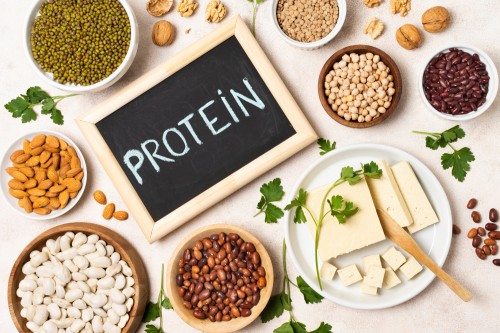
To enhance protein intake, incorporating quality protein sources into each meal is an effective strategy. Foods rich in protein include eggs, milk, yoghurt, paneer, fish, lean poultry, soy products like tofu, lentils, beans, chickpeas, nuts, and seeds. Combining protein with fiber-rich vegetables and healthy fats can improve satiety and support balanced nutrition. For those with higher protein needs, such as athletes, older adults, busy professionals, or individuals recovering from illness or surgery, protein supplements like whey or plant-based blends can be beneficial when used under medical guidance. By making small dietary improvements, individuals can significantly impact their energy levels, muscle health, recovery, and overall well-being.