
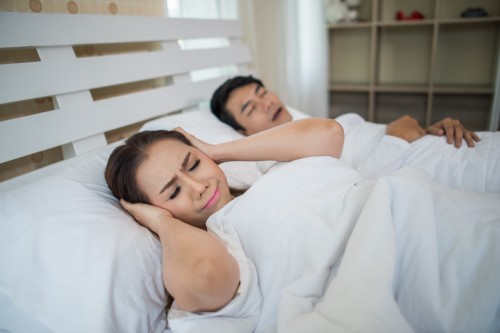
Persistent and loud snoring should not be ignored, as it may indicate obstructive sleep apnea (OSA), a prevalent sleep disorder characterized by repeated interruptions in breathing that can lower oxygen levels in the body. Health experts highlight the importance of recognizing this issue, as it can have significant impacts on overall health and quality of life.
Individuals suffering from OSA often report symptoms such as excessive daytime sleepiness, unrefreshing sleep, morning headaches, poor concentration, and fatigue. These symptoms arise because the airway becomes blocked during sleep, causing breathing to stop and start repeatedly. This pattern not only diminishes sleep quality but also places considerable stress on the brain and other vital organs.
There is growing concern among sleep specialists that untreated OSA may elevate the risk of severe neurological conditions, including stroke and dementia. The frequent drops in oxygen levels associated with OSA can instigate inflammation, oxidative stress, and damage to brain cells, particularly in regions responsible for memory, attention, learning, and decision-making. Over time, these effects may lead to cognitive decline and a reduction in brain function.
Research indicates that individuals with untreated sleep apnea frequently perform poorly on tests assessing memory, attention, processing speed, and executive function. While occasional snoring without additional symptoms might not always signify a serious issue, frequent snoring coupled with daytime fatigue or observed breathing pauses during sleep should prompt a professional medical evaluation.
Treatment options for obstructive sleep apnea often include Continuous Positive Airway Pressure (CPAP) therapy, which helps maintain open airways during sleep. Additionally, lifestyle changes such as weight management and regular exercise can alleviate symptoms and diminish long-term health risks. Early diagnosis and intervention are crucial for enhancing sleep quality and safeguarding both brain and heart health.