
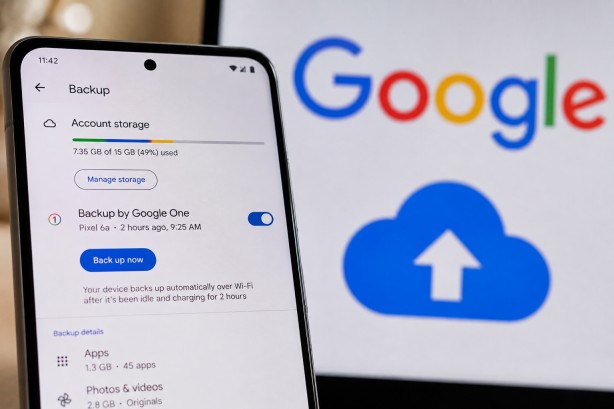
In a significant shift for Android users, Google is set to alter how device backups are stored on its cloud service. Previously, Android backups—which include essential data such as SMS messages, call history, device settings, and app data—did not count against the 15GB of free storage that Google provides to its account holders across Google Drive, Gmail, and Google Photos. However, an upcoming update will see these backups included in the overall storage quota.
The new policy is anticipated to be implemented in the coming weeks. Google has indicated that the average Android backup will add approximately 40MB to a user’s storage usage. This change could potentially impact users who are nearing or have already reached their storage limits, prompting them to either clear up space or consider subscribing to Google One for additional storage options. If an account runs out of available storage, automatic device backups will be temporarily halted until more space is freed up.
Amid these changes, Google is reportedly working on enhancing backup controls, which will give users more detailed options to manage their backups. With these new controls, users will be able to select specific apps and data types they wish to back up, offering a tailored approach that could help in managing backup sizes more efficiently. This development is expected to provide users with a greater degree of control over their cloud storage resources.
These initiatives highlight Google’s effort to optimize storage management for Android users while aligning their backup policies with storage usage. The move to include backups in the storage limit reflects a broader trend of cloud service providers adjusting free storage offerings, compelling users to make strategic choices about their data management. As these updates roll out, Android users will need to adapt to the new storage dynamics and explore the available options to ensure their data remains safely backed up without exceeding their storage limits.